Gardening Services in Sanderstead

Gardening Services Sanderstead offers practical garden care for domestic and shared outdoor spaces, with work shaped around keeping borders, lawns, hedges and planting areas tidy, healthy and manageable. The main service is regular and one-off gardening support, from routine maintenance through to heavier seasonal work, so customers can choose the level of help that suits the condition of the garden. The aim is straightforward: dependable upkeep, sensible improvements and a finish that leaves the space easier to use.
Our service can cover ongoing garden maintenance, lawn care, hedge trimming, garden clearance and related outdoor tasks where the work is within the scope of a normal gardening service. Some gardens need light, regular attention; others need a more substantial reset before routine care can begin. We keep the approach clear and practical, matching the plan to the site rather than forcing every garden into the same pattern. If you are comparing options, start with the kind of work your garden actually needs and then ask for a quote.
For a straightforward first conversation, it helps to note the areas you want tackled most urgently, whether the job is a one-off visit or a repeat arrangement, and any access points that could affect the work. You can request a quotation once you have a clear sense of the priorities, and if the project grows into several tasks we can discuss how they fit together. See pricing and quotes for a useful starting point.
Regular Garden Maintenance
Regular maintenance is often the most effective way to keep a garden in order without letting small jobs pile up. This service is suited to borders that need weeding, beds that benefit from tidying, and outdoor areas where leaves, cuttings or general growth quickly make the space feel untidy. A maintenance visit can combine several practical tasks so the garden is not left looking half-finished.
Typical maintenance work may include weeding, deadheading, light pruning, leaf collection, border tidying and the removal of small amounts of waste created during the visit. Where planting is already in place, the work can focus on keeping it neat and reducing congestion rather than changing the overall layout. Good maintenance is about consistency as much as effort, because regular attention usually prevents larger problems later.
When a garden has mixed needs, it is sensible to decide which parts should be prioritised first. That might be the front garden, a heavily used rear space, or the section most visible from the house. A clear order of work makes the result more coherent. If you want the wider range of support explained, our services overview gives a simple summary of the main options.
Lawn Care and Mowing

A tidy lawn changes the feel of a garden quickly, but it also needs the right kind of care to stay even and healthy-looking. Our lawn work can include mowing, edge definition, strimming where appropriate and light tidy-up around borders and paved edges. The emphasis is on a neat cut and sensible presentation rather than rushing through the job. Lawns that have been neglected may need staged attention rather than one heavy pass.
Different lawns call for different handling. Some are small and straightforward, while others are awkwardly shaped, uneven or broken up by flower beds, paths and trees. A careful approach helps avoid scalping, missed patches and rough edges. Where grass is long, it is often better to bring the lawn back into shape in a manageable way. That may involve a cleaner finish over more than one visit, depending on the condition of the surface.
If the lawn is part of a larger garden tidy-up, it can be sensible to combine mowing with border work and the collection of clippings so the whole area looks balanced. Small details matter here: straight edges, even cutting and clean transitions around paths can improve the overall result. If your request involves several outdoor tasks, you can ask for a quotation after listing the main priorities.
Hedge Trimming and Shaping
Hedges often need more than a quick cut. Trimming is as much about maintaining form as reducing growth, especially where a hedge frames a boundary, blocks light or has become uneven along the top or sides. We can handle routine hedge trimming that keeps growth under control, improves shape and supports a tidier view from the garden and adjoining spaces.
As hedges mature, they may need selective trimming rather than repeated hard cutting. The right approach depends on the species, size and condition of the hedge, along with the result you want. Some hedges are best kept crisp and formal; others suit a softer outline that still respects the natural habit of the plant. We work with that distinction in mind, aiming for a finish that looks purposeful rather than overworked.
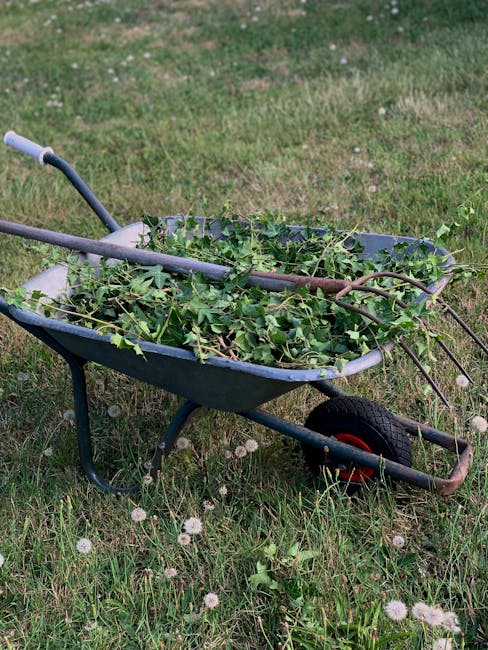
Hedge work often produces a noticeable amount of green waste, so it is useful to plan for clearance at the same time. That is especially true after seasonal growth has built up or where access is restricted by fencing, steps or planting beds. If you need to talk through the best order for hedge, lawn and border work, the next sensible step is to contact us.
Garden Clearance for Overgrown Spaces

Garden clearance is designed for outdoor spaces that have become too full, untidy or difficult to manage through routine maintenance alone. This can include overgrowth, accumulated cuttings, fallen material, dead planting, broken items left outdoors and other unwanted garden debris. The aim is to restore a usable base so the space can be enjoyed again or prepared for follow-on work.
A clearance job may be lighter in some gardens and more involved in others. In practice, it can mean working through dense growth, opening up blocked areas, removing waste in stages and identifying what should stay in place. When a garden has been neglected, the most helpful result is often a controlled first pass that makes the area safe, accessible and ready for improvement. That is usually better than trying to force every detail into a single visit.
Clearance is also useful before replanting, lawn recovery or more substantial landscaping. Once the space is opened up, it becomes easier to judge the structure of the garden and decide what comes next. Good clearance creates options, not just tidiness. If you want to understand how broader outdoor changes can be phased after the initial work, our landscape gardening page is a useful place to look.
Planting, Borders and Seasonal Tidy Work
Many gardens need attention that sits between routine maintenance and more formal landscaping. Borders may be crowded, seasonal planting may have finished, or a planting area may simply need thinning, cutting back and general tidying so it looks intentional again. This kind of work helps a garden keep its shape while allowing the plants themselves to remain the focus.
Seasonal tidy work can include removing faded growth, cutting back herbaceous material where appropriate, refreshing the appearance of borders and making room for new planting decisions later in the year. In a well-used garden, these smaller tasks often make the space feel far more manageable. They also help reduce the sense that the garden has been left to drift, especially when combined with regular maintenance and careful lawn care.
Some customers want a simple tidy, while others are thinking about how the garden should evolve over time. In either case, it helps to think about whether the main need is preservation, renovation or gradual improvement. If the work looks likely to include heavier cutting or removal of mature material, the most efficient next step is to ask for a quotation after outlining the areas involved.
Garden Improvements and Landscaping

Alongside day-to-day gardening, we can support more substantial outdoor improvements where the garden needs a better structure or a clearer layout. Landscaping work may involve reshaping parts of the space, improving practical use, creating cleaner transitions between areas or refreshing tired sections so they feel more coherent. The exact approach depends on the site and the result you want to achieve.
Landscaping is often most useful where maintenance alone cannot solve the underlying issue. For example, a garden may have awkward boundaries, worn surfaces or patchy planting that makes the whole space feel disjointed. In those cases, it makes sense to consider what needs rebuilding, what can be retained and what should be simplified. That kind of decision-making helps avoid unnecessary work and keeps the project grounded in the actual condition of the garden.
Some projects begin with a tidy and then move into improvement work once the space is easier to assess. That can be a sensible route for customers who are not sure how far they want to go. Decking services may also be relevant where the plan includes a clearer entertaining area or a more defined garden surface, provided that kind of feature is appropriate for the site.
About Sanderstead
Sanderstead is a suburban area in the London Borough of Croydon, in South London, with a character shaped by its position on the edge of the North Downs and its long development from older rural land into a residential district. The area sits on higher ground than much of the surrounding borough, and that elevated setting is reflected in views across parts of the landscape as well as in the local street pattern. Historically, Sanderstead was a village with a parish identity of its own, and traces of that older settlement pattern still help explain the layout around the historic core. The area includes a mix of detached and semi-detached housing, local shops, schools and green spaces, all of which contribute to its residential feel. Sanderstead Recreation Ground is one of the better-known open spaces in the district, offering a familiar local focus for walking and informal leisure. The nearby countryside and the general suburban character of the streets give the area a sense of space compared with denser parts of London. St Peter’s Church, with its long history and prominent setting, is an important landmark and a reminder of the area’s older roots. Sanderstead also lies within reach of the wider Croydon area while retaining a more local identity, which is part of what gives it its distinct place within South London.
Planning the Work and Understanding Cost Factors
Garden work is usually easier to plan when the request is broken into clear parts. The most useful details are the size of the space, the condition of the key areas, the type of work needed and whether the job is a single visit or a series of visits. That helps distinguish between a light tidy, a maintenance appointment and a more involved clearance or improvement project. Clear information at the start also makes it easier to judge how the work should be grouped.
Cost factors can vary according to access, the amount of waste generated, the intensity of cutting or clearance and whether the garden needs careful handling around existing planting or features. A straightforward lawn cut is different from an overgrown clearance with hedge work, border attention and removal of debris. It is usually best to describe what is visible, what should remain untouched and what outcome would count as a successful result. That keeps the quotation process practical and avoids unnecessary assumptions.
If you are gathering details before getting in touch, a short list is often enough: the areas to be worked on, anything that needs to be left alone, and any timing considerations that matter to you. That small amount of preparation helps the discussion stay focused. For the next step, garden clearance may be the right page if the garden has become especially overgrown or cluttered.
Why a Single Garden Plan Often Works Best

Many outdoor spaces benefit from a joined-up plan rather than isolated one-off jobs. A hedge can look neat, but if the lawn is left untidy and the borders are full of dead material, the overall result still feels unfinished. Equally, a garden clearance can make the space more accessible, but the area may still need maintenance and reshaping afterwards. Thinking in stages helps the work feel coherent and makes better use of each visit.
For that reason, it is often sensible to look at the garden as a whole and decide whether the first priority is maintenance, clearance or improvement. The best plan usually starts with the most pressing issue and then works outward to the rest of the space. That approach can also make it easier to keep the garden in a better condition afterwards, because the main problem areas are identified rather than hidden behind a general tidy.
When you are ready to move from planning to action, keep the request simple and specific: explain what needs attention, what kind of finish you want, and whether there are any access or timing points that matter. Then ask for a quotation. If you would like the broad picture of our outdoor work, learn more about our background before making contact.